
Table of Contents
Chapter One: Seeds for Success
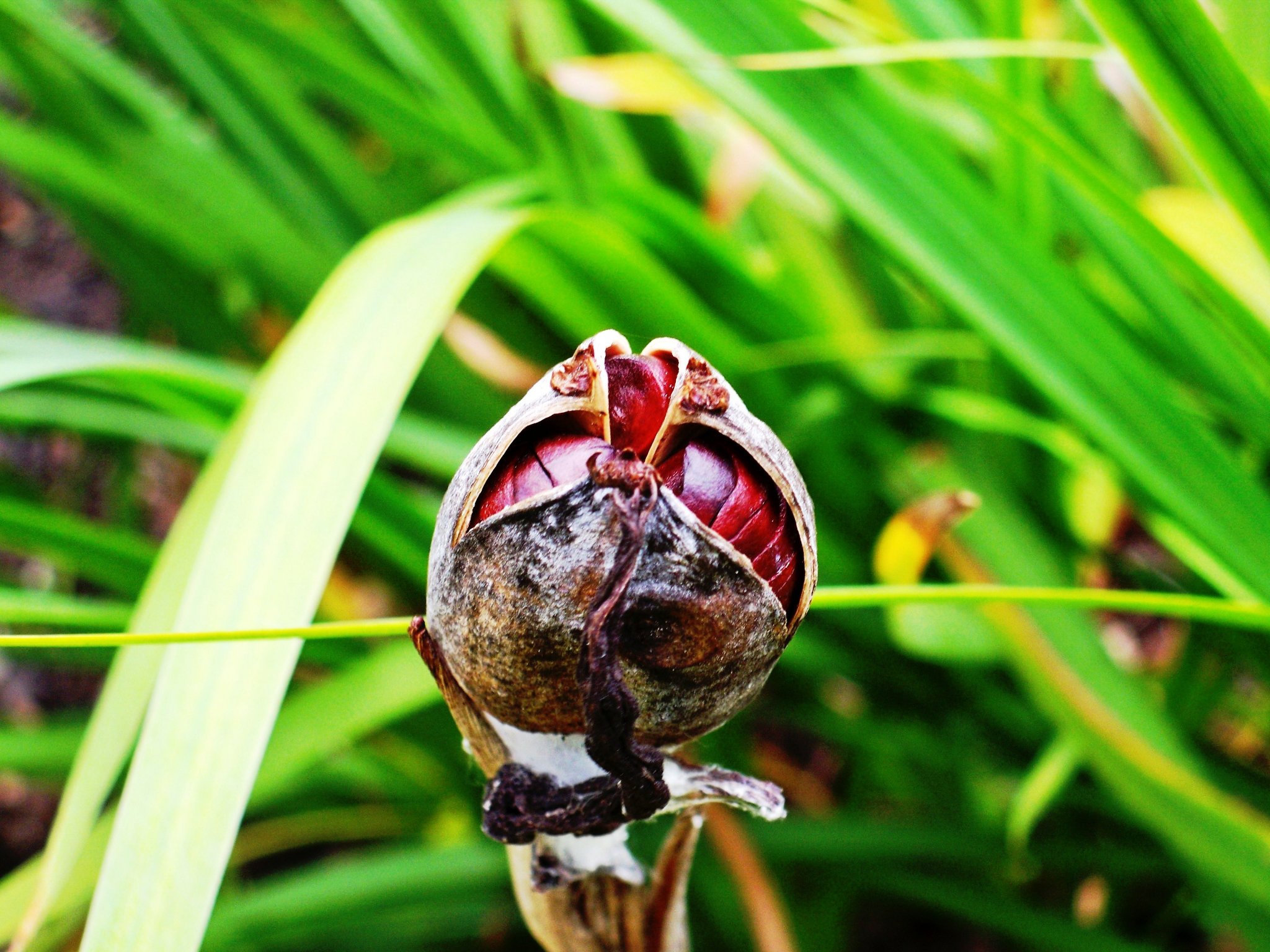
In this opening chapter, we will lay the groundwork for successful living by using one of the most powerful organisms on the planet, a tiny seed. Seeds, despite their size, are self-contained, flowering powerhouses made up of an exterior casing along with an internal storage device that provides everything it needs to produce an explosion of beautiful blooms and bountiful fruit. Readers will gather seeds for success by discovering that we are akin to seeds. We have been planted on this earth with our own unique outer shells and inner reservoirs of talents and abilities. We will come to understand that despite our best efforts, just like a seed, our plans and endeavors may not blossom exactly as we envisioned. While a gardener works the soil and sows the seed; in the end they are totally dependent on Mother Nature to determine the outcome. Just as a gardener can’t force a seed to sprout, we can’t control every aspect of our journey towards success. It’s a collaborative dance between our efforts and the natural order of things. We cannot naturally germinate the seed, or produce the oxygen, rain, and sunshine that makes the seed sprout. We must do our part, and then wait for Mother Nature to work her magic; it is a dual partnership both in the garden and when accomplishing success.
Chapter Two: Flower Power
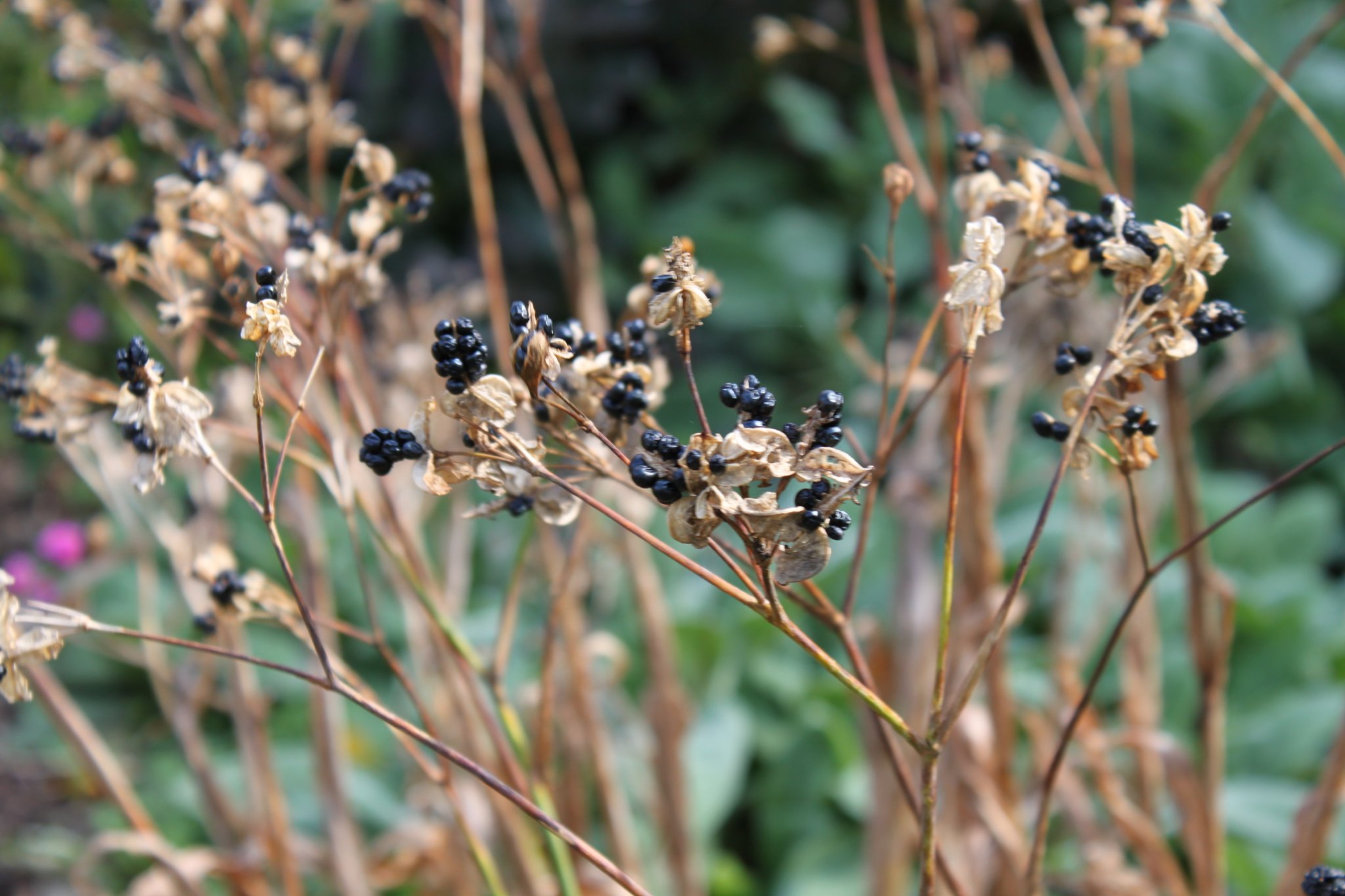
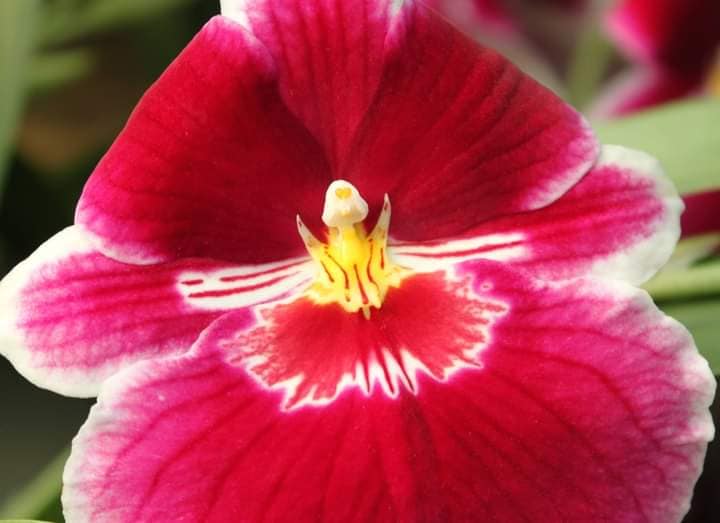
Most people love plants for their attractiveness and showy appearance but do not know anything about the plant itself. Consider the rose and the dandelion; the rose enjoys being one of the most beautiful and sought-after plants in the world, but it naturally grows covered in thorns so you can barely touch it. If we accidentally step on a rose bud, we will crush the blossom. On the other hand, the dandelion, often dismissed as a nuisance by gardeners, is almost indestructible and an edible and excellent source of vitamins A, C, E, K, iron, calcium, magnesium, and potassium; and scientists are studying the dandelion in the fight against cancer. In this chapter, readers are encouraged to embrace their individuality, because that is what makes them perfect for the job the Universe has assigned them. Just as a tree wouldn’t attempt to become a flower and an apple tree doesn’t yield oranges, each of us is designed with our own distinctive traits and purposes. Like flourishing plants, we are all extraordinary, living, and breathing works of art, with a special mission to embrace their individuality and tap into their divine assignment.
Chapter Three: Garden Maintenance
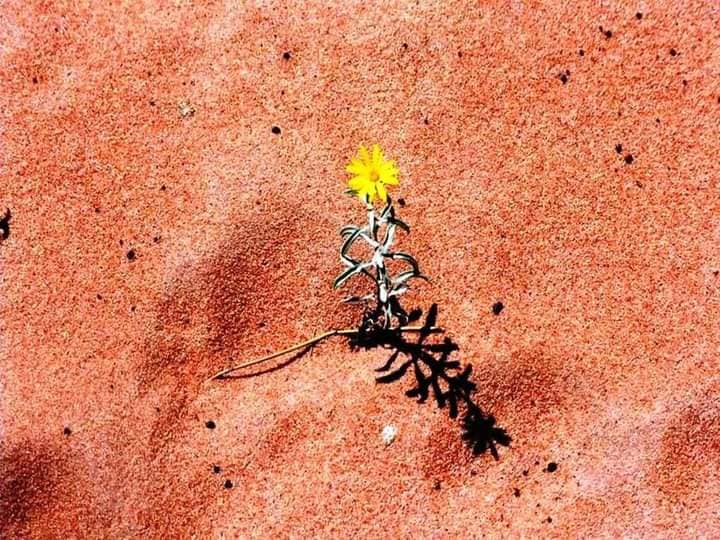
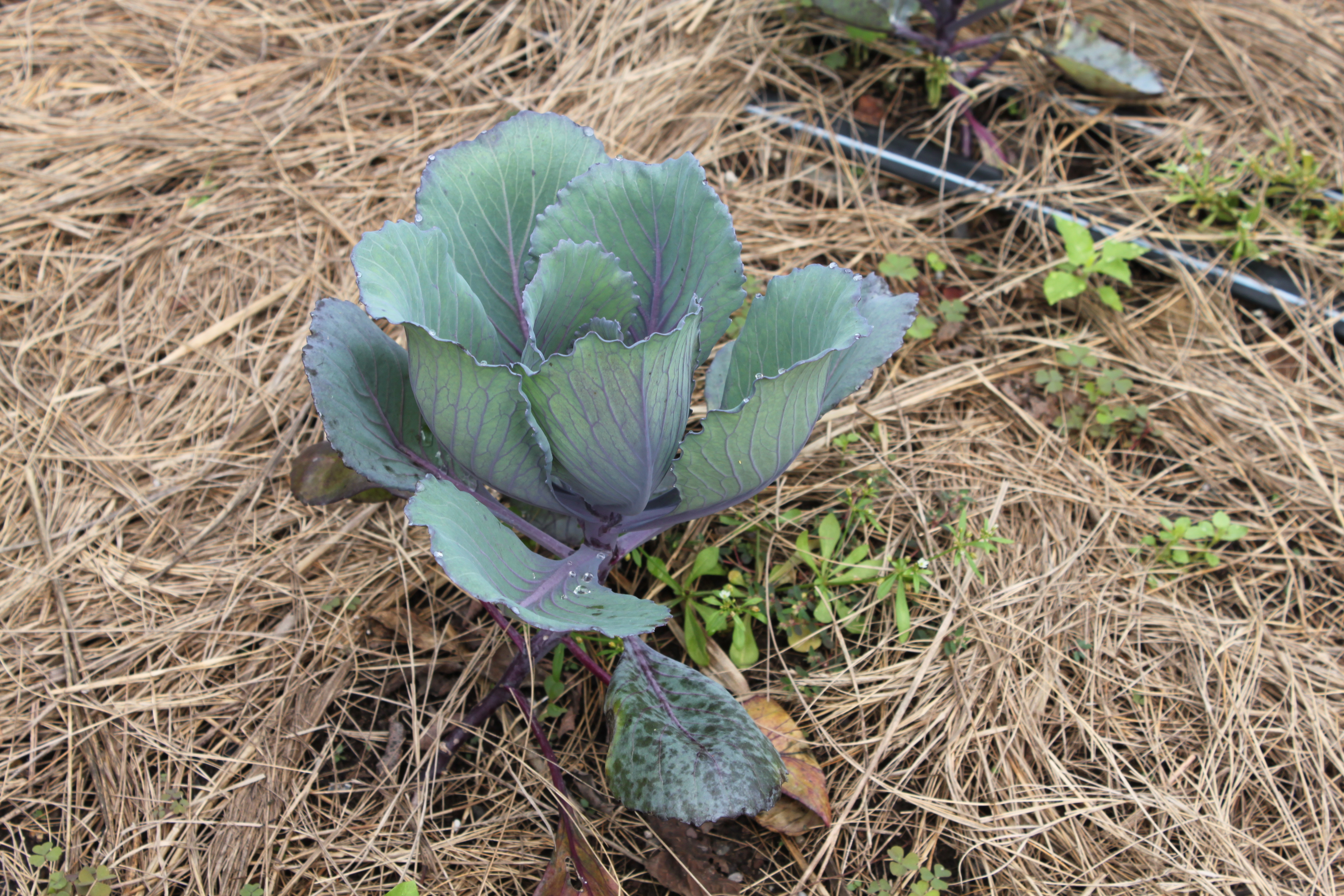
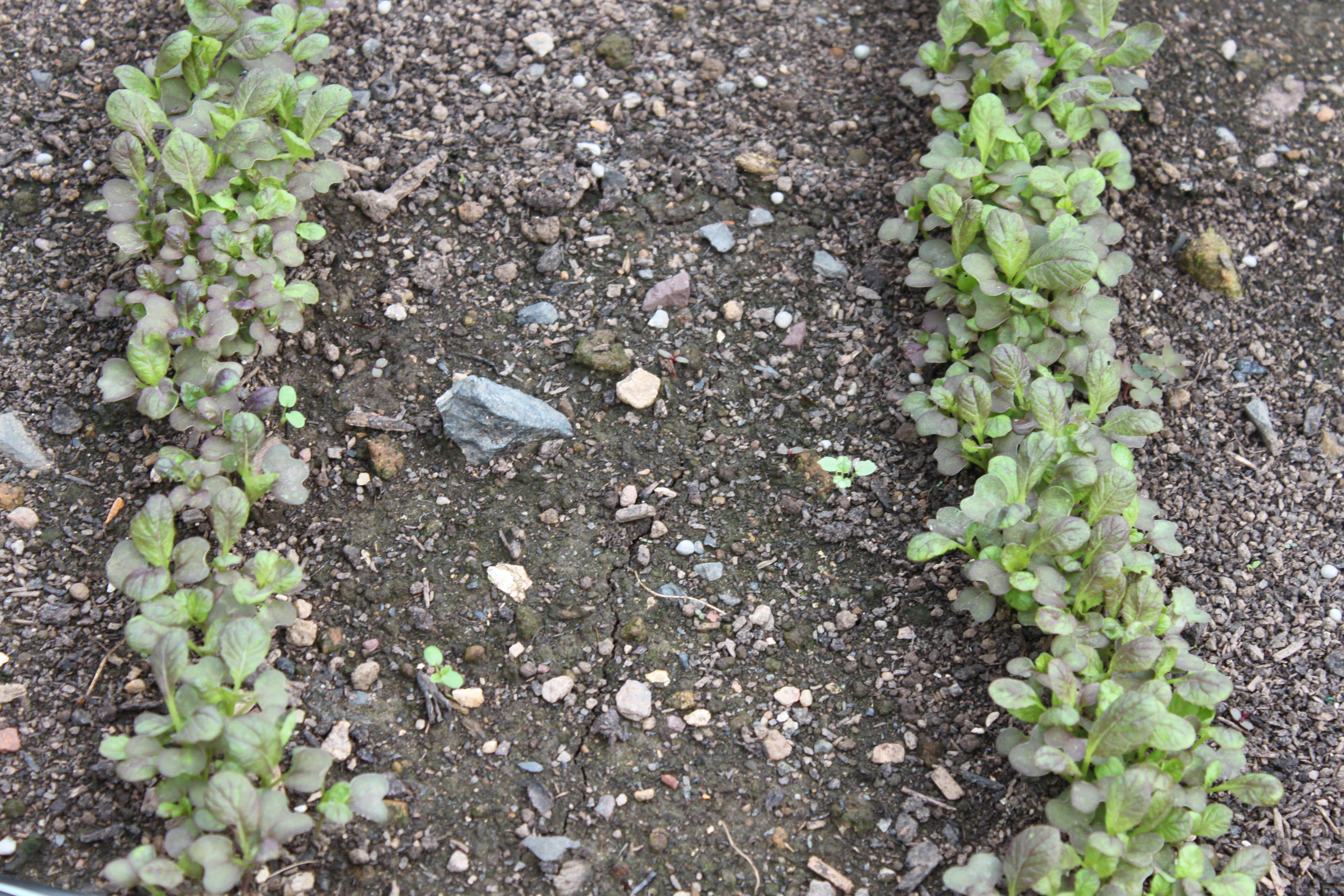
Weeds are like unwanted guests in a garden, stealing vital nutrients, oxygen, and water from the plants. Removing them is crucial for the garden to thrive. It's not just a matter of plucking them from the surface; gardeners must dig deep to extract the roots. Similarly, in life, weeding out negative influences—whether they're bad habits, thoughts, or toxic relationships—is essential for personal growth. These negative factors can drain our energy and hold us back from experiencing joy and success. Readers will be encouraged to dig deep and get to the root of their problems. Also discussed in this chapter is the technique of transplanting, both in the garden and in a person’s life. Many times, slow or no growth is due to lack of planning, overcrowding, or poor growing conditions. Like transplanting a plant to a better location, we need to make changes in our lives to create more conducive environments for growth. Just as plants benefit from air and space, we too thrive when we have room to develop. If our current circumstances are hindering our progress, it's important to remember that we have the freedom to make changes; we're not rooted in place like a tree.
Chapter Four: The Art of Pruning
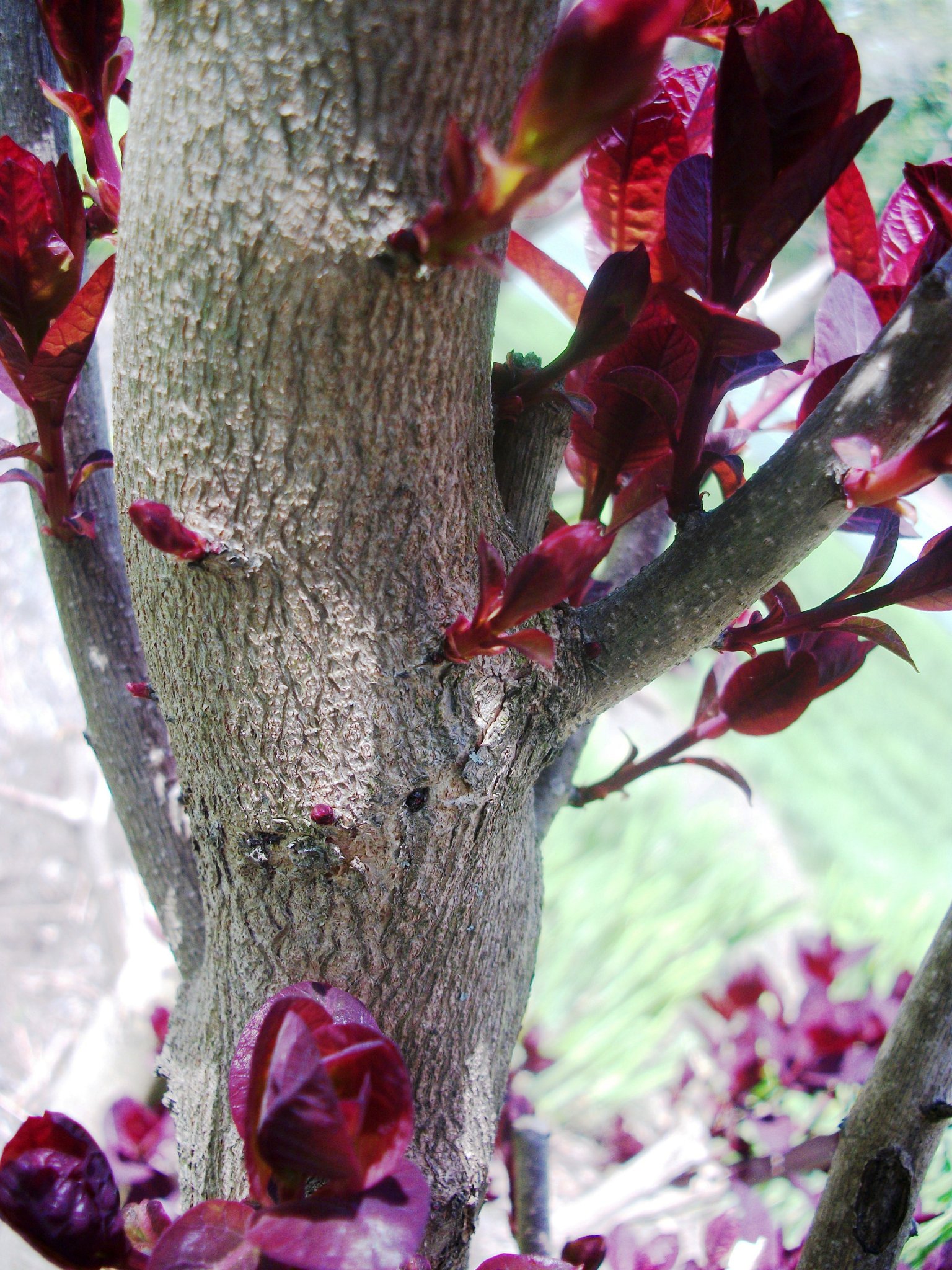
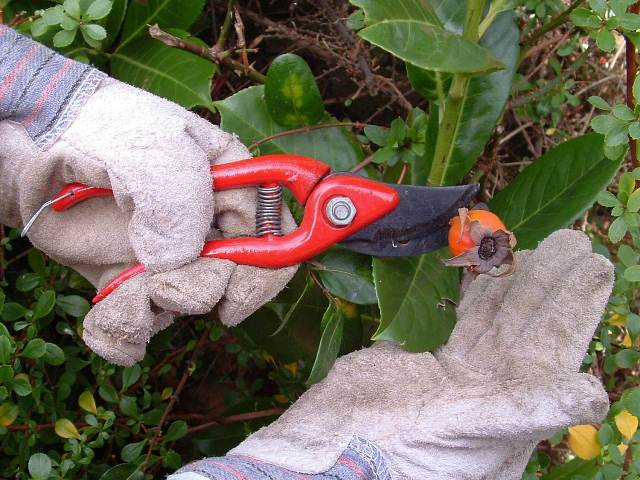
In gardening, there's a technique called pruning, where we trim away certain parts of plants to foster growth and flowering. This involves snipping or cutting branches, shoots, and buds. Pruning not only improves a plant’s appearance, but it promotes growth, eliminates diseased and damaged branches, and it can reshape and rejuvenate a plant. This chapter highlights how the art of pruning extends beyond the garden and can be applied to human growth and success. It might involve cutting back on social media usage, reducing TV time, curbing spending, or distancing oneself from negative influences. By making these adjustments, individuals can create space, redirect energy, and boost productivity. It's about fine-tuning various aspects of life to continue growing, thriving, and moving beyond mere survival. Clearing out excess—whether it's unnecessary commitments, toxic relationships, or unproductive habits—can rejuvenate and empower individuals. By taking stock and letting go of what holds them back, readers can embark on a journey out of stagnation and into transformation which will allow them to recharge, regenerate, restore, and revitalize themselves.
Chapter Five: Homegrown
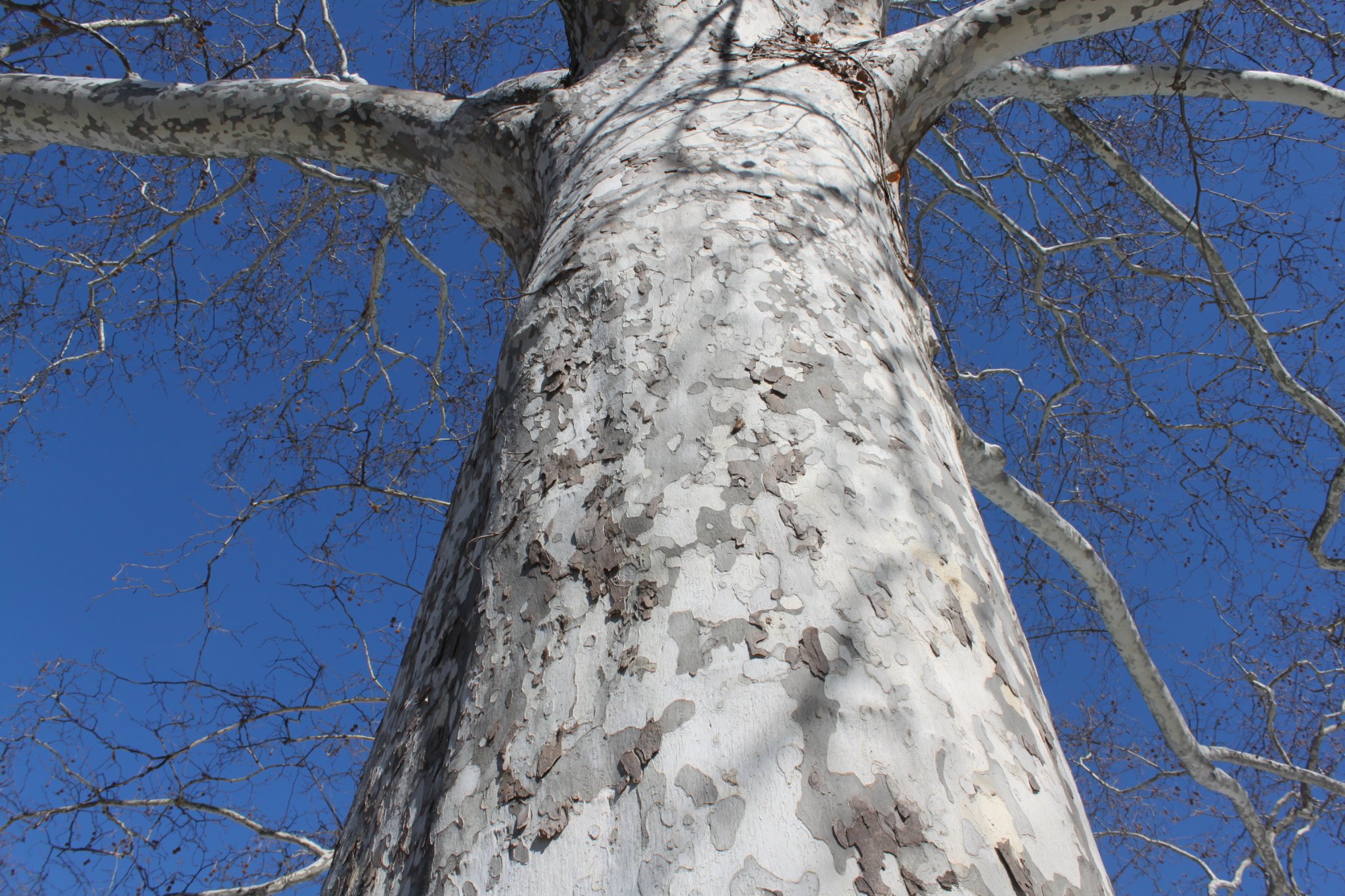
In our gardens, we see reflections of our families. This chapter explores the similarities between our homes and gardens, focusing on foundational aspects such as planning, design, and caring for different stages of life represented by our loved ones. Just as we nurture tender sprouts in the garden, we also provide for the basic needs of young children—nutrition, water, sunlight, fresh air, and strong roots. We'll also draw parallels between wildflowers and teenagers: both resilient and independent, yet requiring guidance, freedom of expression, and regular attention. Like gardeners tending to their plants, parents play a crucial role in nurturing the younger generation, helping them to flourish. Moreover, we'll acknowledge the significance of our wise old trees—the seniors in our lives. These venerable figures, like the trees in our gardens, hold invaluable wisdom accumulated over generations. If trees could share their tales, they'd recount the passage of time and the stories of countless lives. Much like our elders, they offer a sense of stability, providing shade and solace for reflection through life's changing seasons.
Chapter Six: The Harvest
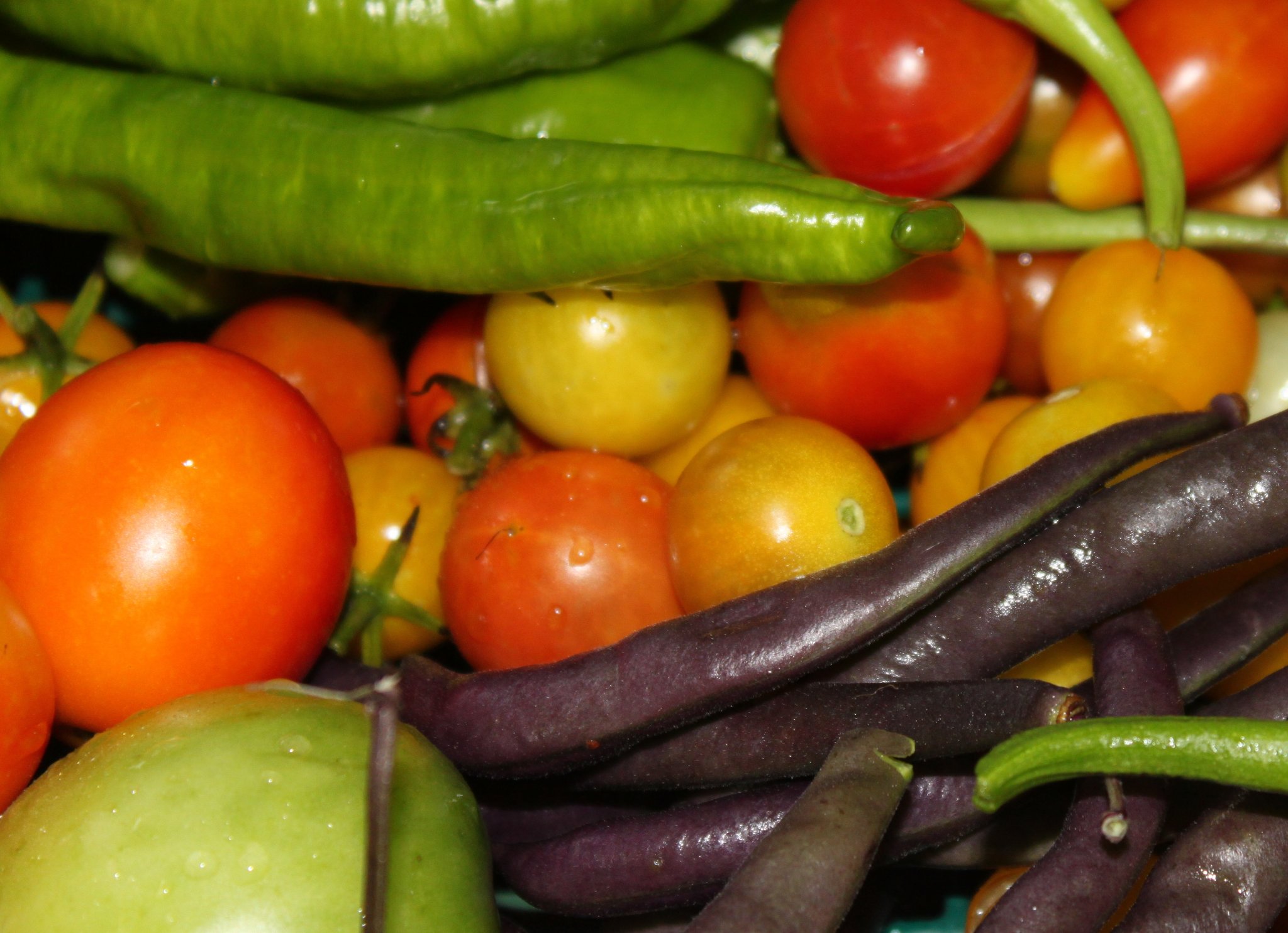
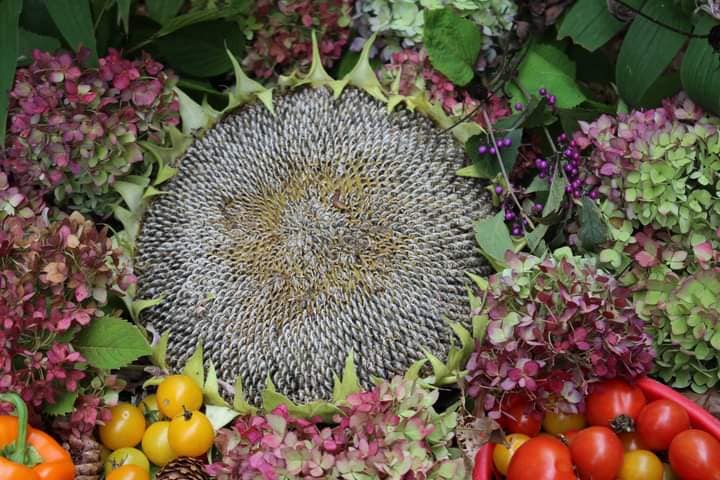
After all the diligent planning, tending, and waiting, the moment has arrived for the gardener to finally relish and share the rewards of their efforts. Just as gardens thrive through care and cultivation, humans too are meant to grow, blossom, and leave their mark on the world for generations to come. Nothing in nature exists solely for itself; every living thing serves a purpose—to benefit the planet and all its inhabitants. Trees, for instance, don't just exist; they provide vital oxygen for the Earth's well-being. Similarly, vegetable plants don't hoard their produce; they nourish animals and people alike. Harvesting extends beyond gathering food from the garden; it encompasses the outcomes of our actions, reflecting the law of cause and effect, or karma. This chapter serves as a gentle reminder that the circumstances we face today may be the results of seeds sown in the past, while our present thoughts and actions are the seeds we're planting for our future. Just as in gardening, where we reap what we sow, life operates under this universal law. It's a timeless principle that underscores the importance of mindful living and intentional actions.
Chapter Seven: Food for Thought
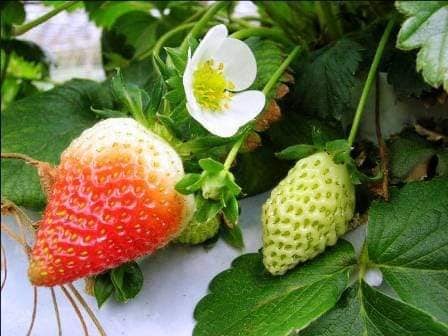
The rise of organic gardening reflects a growing concern among Americans about the food we consume and a desire to prioritize health. With much of our food now coming in boxes, packages, or cans, fast-food options often tout themselves as healthier alternatives, yet they're loaded with sugars, artificial colors, and preservatives that can harm our bodies and lead to illness. This chapter aims to enlighten readers about GMOs, processed foods, and the benefits of natural, organic options. By emphasizing the importance of consuming food in its natural form, we're encouraging a return to the nourishing foods that were naturally created for our bodies. The basic principle of taking care of the human body is comparable to tending to a garden; if you don’t take care of it properly, or water it with chemicals and dyes, it will slow growth, cause disease and eventually die. The human body is designed to process and digest the food that nature provides for optimum performance, because what affects the body will affect the brain. Our bodies are equipped to process and digest the foods provided by nature, promoting not only physical health but also mental clarity and well-being. This section serves as a gentle reminder that the same Creator who designed our bodies also provided the nourishing foods that sustain us. Let's embrace this gift and nourish ourselves with the goodness of nature.
Chapter Eight: Spring: The Season of New Beginnings
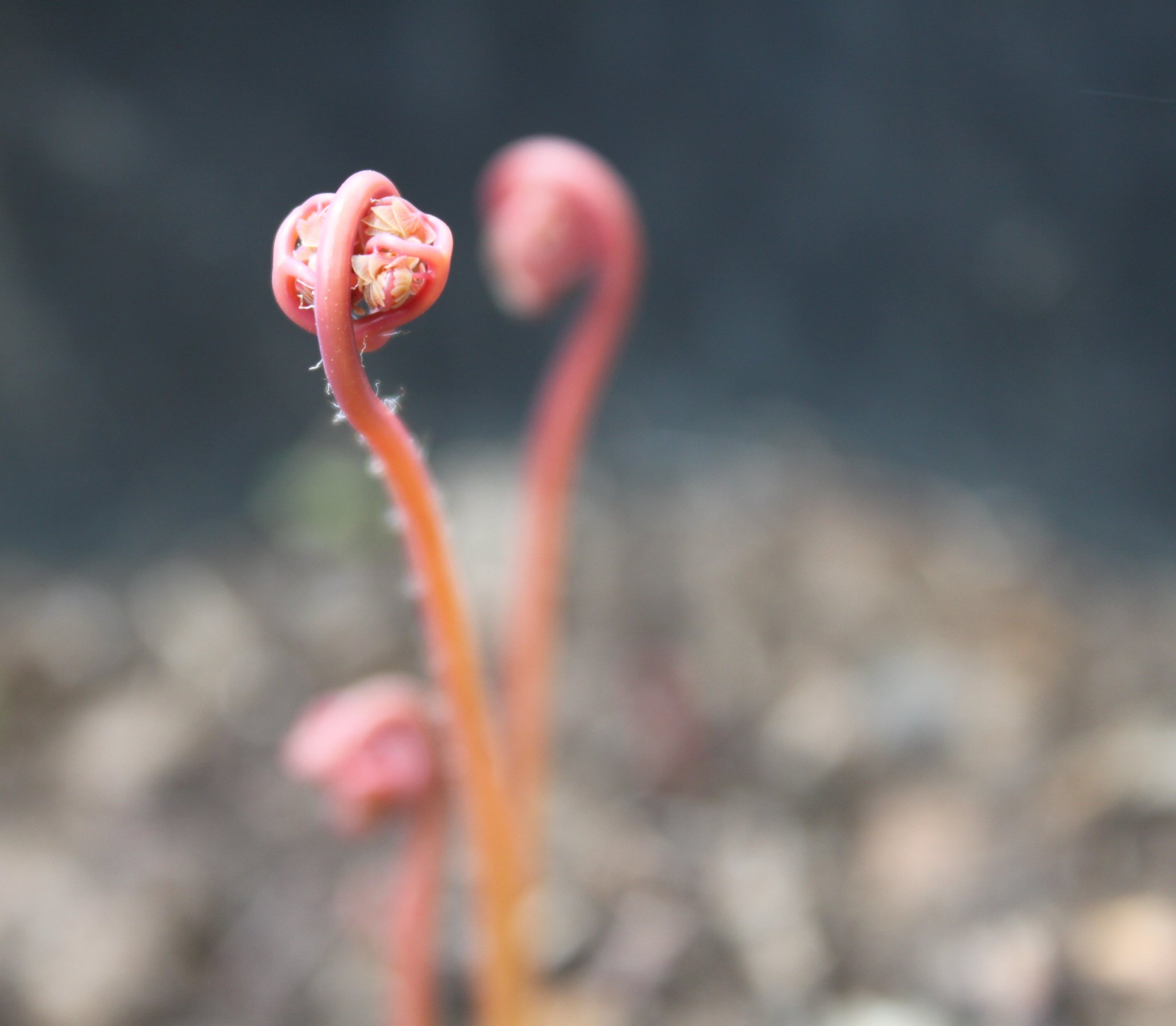
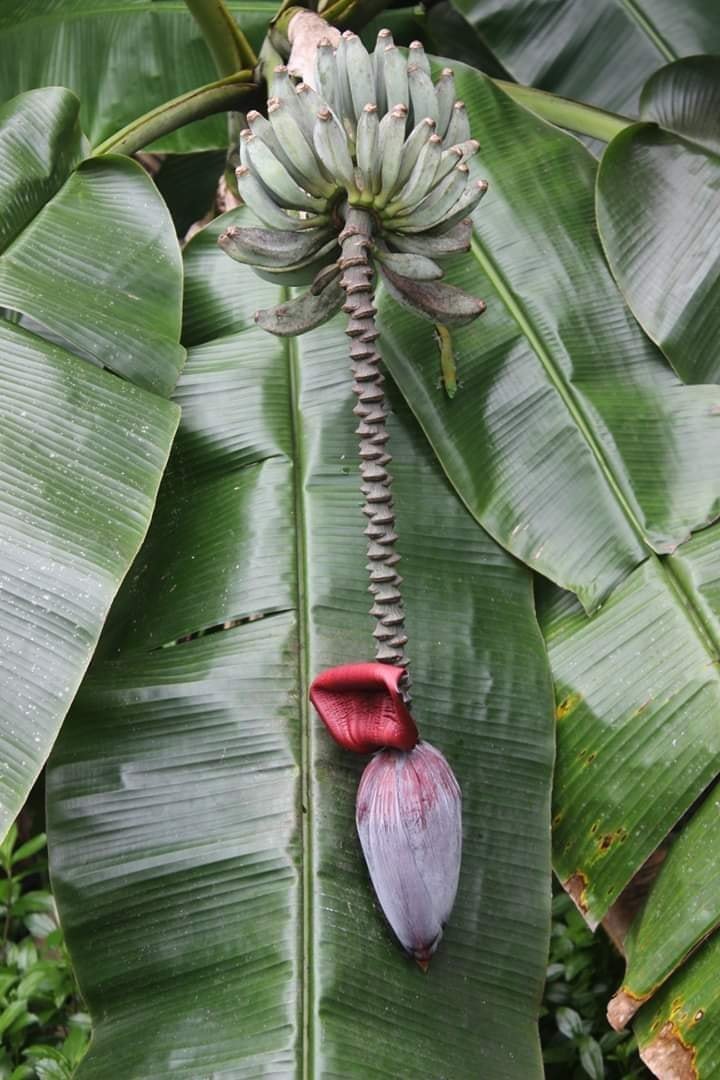
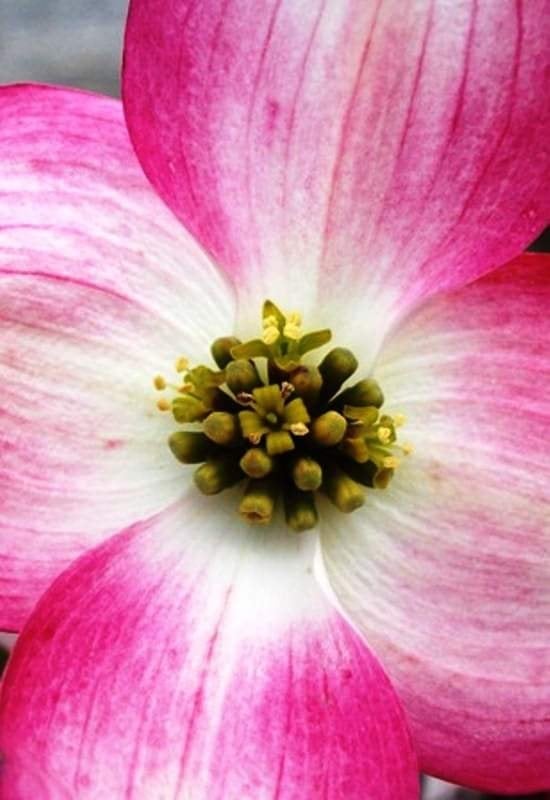
The rhythm of the four seasons in nature mirrors the cycles of human life, serving as a natural timetable that fosters growth and transformation. Springtime indicates fresh starts and new beginnings. As the rain nourishes the earth, seeds burst open, trees bud, and creatures emerge from hibernation. Spring is the season of new beginnings, a time when the rain breaks open the seeds, trees produce their buds, insects labor and clear tunnels to make their first appearance, animals come out of hibernation, and across half of the earth, millions of bird eggs lie hidden in trees and shrubs. In the gardening world, you know it’s spring planting season when fancy displays of seed packets begin to show up at your local drug store and supermarket. It's a season that whispers messages of rebirth, rejuvenation, and restoration. Just as gardeners plan their work during the quieter months of winter, they eagerly execute their plans as spring unfolds. This chapter encourages readers to embrace the spirit of spring by planting new seeds in their lives—whether it's through embarking on new endeavors or simply adopting fresh perspectives. It's a time for emergence, growth, and reaching new heights. So throw open the windows, breathe in the invigorating air, and welcome the season of new beginnings with open arms!
Chapter Nine: Summer: The Season of Growth
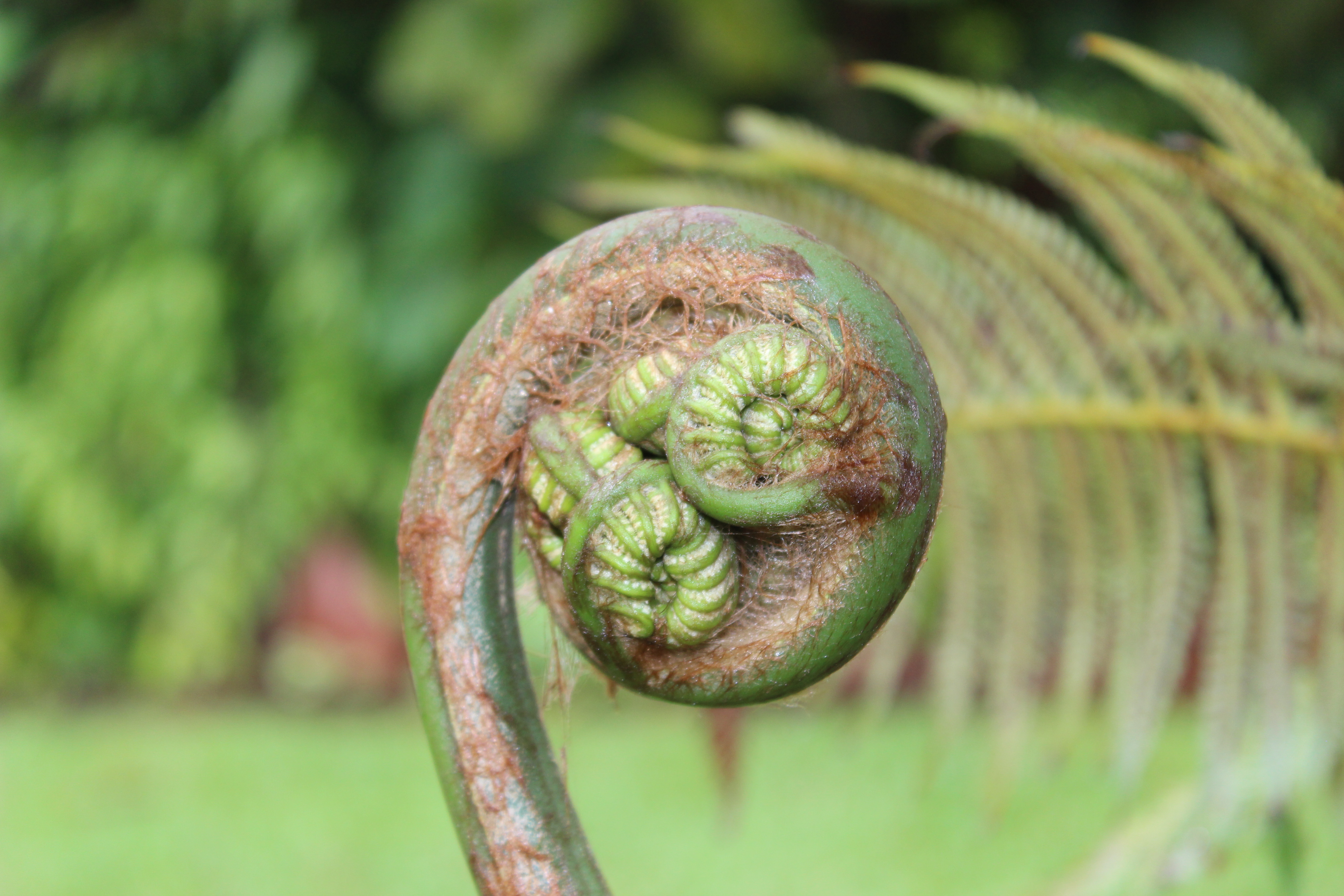
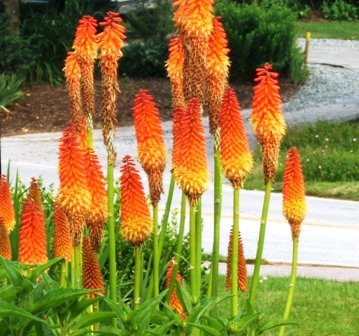
As the baby bunnies mature into adults during the summer months, so do the weeds and poison ivy in the garden. Summer nights come alive when the spiders come out and create some of their intricate artwork for gardeners to admire on an early summer morning. Flowers burst into bloom, tomatoes ripen to a luscious red, vegetables reach their peak, and herbs release their rich fragrance and flavor. The lazy days of summer are the time when the garden grows rapidly and does its thing, while many gardeners do theirs, at the beach and on vacation. However, without proper maintenance, the garden can quickly become tangled and overgrown. This season demands attention to tasks like staking tomatoes, watering, weeding, fertilizing, and pruning to ensure continued blooming and vitality; it’s the season of growth. Just as plants require regular care to thrive, humans also experience seasons of growth, evolution, expansion, development, and maturity that require intentional nurturing. Frequent observations in their garden, and their lives, can identify and address issues early on. This chapter encourages readers to embrace growth, remain diligent in their efforts, and continue investing the necessary work to cultivate both their gardens and their personal development.
Chapter 10: Autumn: The Season of Change
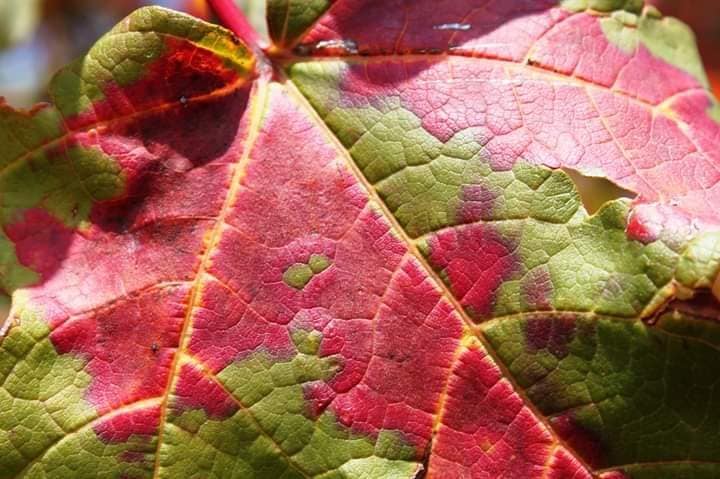
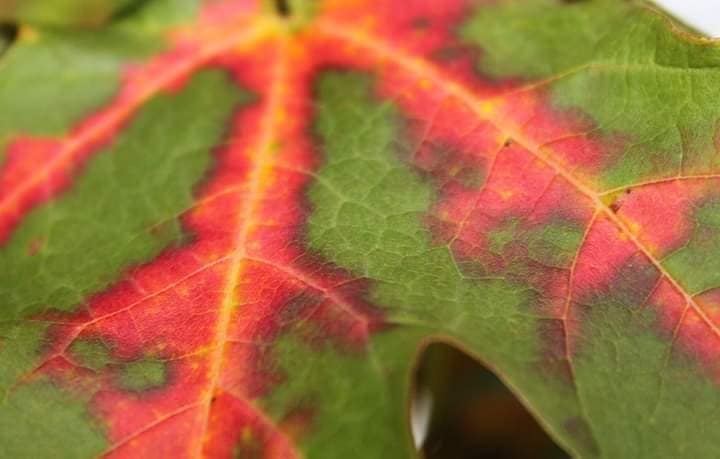
The transition from spring to summer is not a radical adjustment, but the change from summer to fall can be a shock to the system. The landscape dramatically changes along with the weather. As the temperatures cool and days shorten, both the landscape and the behavior of plants and animals change in preparation for winter. Leaves begin to fall, and the tree foliage displays a stunning array of colors—red, pink, gold, orange, yellow, and burgundy—showcasing the beauty of transformation. Although the imminent loss of leaves may seem melancholy, it's a natural part of the Earth's cycle, preparing for the coming freeze. Autumn serves as a gentle reminder from the Earth that change, while sometimes uncomfortable, is both beautiful and necessary. Every season contributes to growth, in life and in the garden. If it were not for the changes in autumn, there would be new growth in spring. Like in human life; if there is no change, there is no growth, it means a shift is taking place. The readers will learn to appreciate the transformative power of change, even when it feels challenging. It's through change that growth and progress emerge from stagnation.
Chapter 11: Winter: The Season of Rest
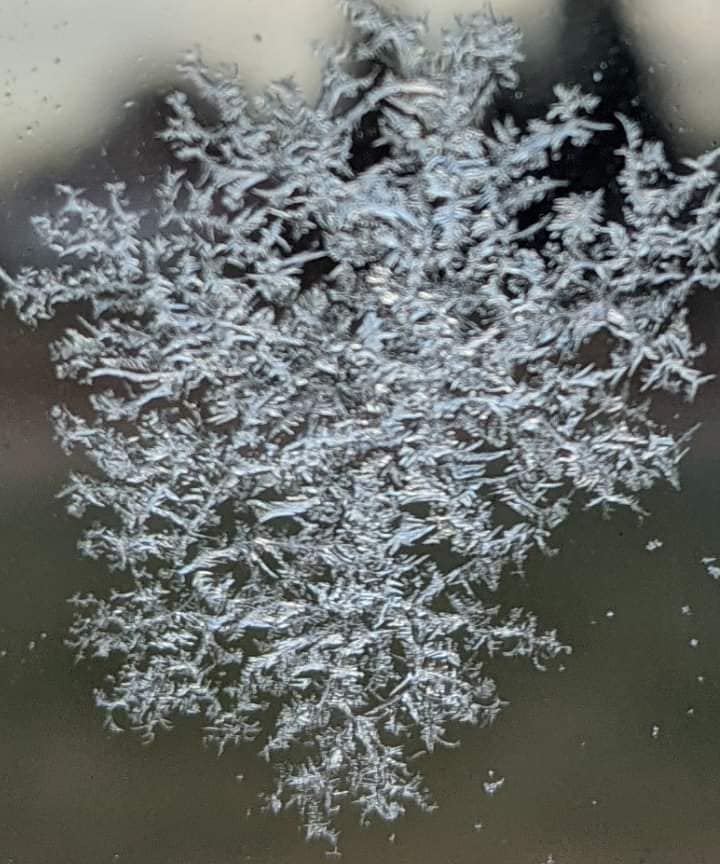
As autumn swiftly gives way to the chilly embrace and icy onslaught of winter and nature settles into a period of rest. Winter signals a temporary pause in the cycle of life, as the Earth prepares for its long slumber. Underground, millions of creatures find refuge in rooms and tunnels, seeking warmth and safety. Mother Earth blankets the land with snow, providing insulation against the cold, and shortens the days, urging us to slow down and embrace the quiet. It's a time for cozying up, for reflection, and for allowing ourselves to rest and recharge. Just as sleep rejuvenates us for the day ahead, periods of rest in our lives are essential for preparing us for what lies ahead. In life, challenges like illness or job loss may serve as our own personal "winter," prompting us to pause, reflect, and regroup. Whether by choice or circumstance, taking a break allows us to reflect on our experiences, recharge our spirits, and prepare for the seasons to come. Just as the Earth demonstrates, there's a rhythm to life—a time for work, a time for play, and equally, a time for rest and reflection. It’s okay to rest, because without it there would be no growth. If the earth does it, why can’t we?